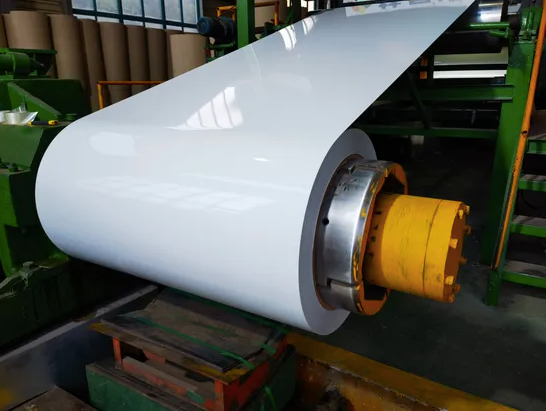
Aluminum coils are widely used in construction, signage, and industrial applications due to their lightweight, corrosion resistance, and durability. Among the various types, PE coated aluminum coil stands out for its protective coating, aesthetic appeal, and long-lasting performance. Understanding its composition, benefits, and applications is essential for professionals in building, manufacturing, and design industries.
What Is PE Coated Aluminum Coil?
PE coated aluminum coil with polyethylene (PE) to enhance its resistance to corrosion, abrasion, and environmental wear. This protective layer not only prolongs the lifespan of the aluminum but also provides a smooth surface suitable for painting, printing, or laminating.
Key Features of PE Coated Aluminum Coil
- Corrosion Resistance: Protects against moisture, chemicals, and environmental damage.
- Durable Surface: Resistant to scratches, dents, and general wear.
- Aesthetic Appeal: Smooth surface suitable for decorative and functional applications.
- Lightweight: Easier to transport and install compared to other metals.
- Versatile Applications: Can be used in roofing, cladding, signage, and furniture.
Advantages of PE Coated Aluminum Coil
Using PE coated aluminum coils offers several advantages for construction, industrial, and design projects:
- Extended Lifespan: The PE coating prevents corrosion and extends the life of aluminum components.
- Low Maintenance: Easy to clean and maintain with minimal effort.
- Cost-Effective: Reduces the need for frequent replacements or repairs.
- Environmentally Friendly: Lightweight and recyclable material.
- Versatility: Suitable for indoor and outdoor applications, decorative and functional.
Common Applications of PE Coated Aluminum Coil
- Building and Construction: Roof panels, wall cladding, and decorative facades.
- Signage and Advertising: Channel letters, signboards, and printed panels.
- Furniture and Interior Design: Lightweight panels, partitions, and decorative elements.
- Industrial Uses: Equipment enclosures, HVAC panels, and protective casings.
PE vs PVDF Aluminum Coating
Understanding the difference between PE coated and PVDF coated aluminum helps in selecting the right material for specific applications:
| Feature | PE Coated Aluminum Coil | PVDF Coated Aluminum Coil |
|---|---|---|
| Durability | Moderate | High |
| UV Resistance | Moderate | Excellent |
| Color Retention | Good | Excellent |
| Cost | Lower | Higher |
| Applications | Indoor/outdoor, decorative | Harsh outdoor, long-term use |
Maintenance Tips for PE Coated Aluminum Coil
Proper care ensures longevity and maintains its appearance:
- Regular Cleaning: Use mild detergents and soft cloths to remove dust and debris.
- Avoid Abrasives: Do not use harsh brushes or chemicals that can damage the coating.
- Inspect for Damage: Check for scratches or dents that may compromise corrosion protection.
- Proper Storage: Store in dry conditions to prevent moisture accumulation.
See also: Curtain Cleaning Dubai: Keep Your Curtains Spotless and Fresh
FAQs About PE Coated Aluminum Coil
1. What industries use PE coated aluminum coil?
It is commonly used in construction, signage, furniture manufacturing, and industrial applications due to its durability and aesthetic finish.
2. How does PE coating protect aluminum?
The polyethylene layer acts as a barrier against moisture, chemicals, and environmental factors, preventing corrosion and surface damage.
3. Can PE coated aluminum coil be painted?
Yes, the smooth PE surface allows for easy painting, printing, or laminating for decorative and functional purposes.
Conclusion
PE coated aluminum coil is a versatile and durable material that combines lightweight strength with corrosion resistance and aesthetic appeal. Ideal for construction, signage, furniture, and industrial applications, it provides a cost-effective solution with low maintenance and long-lasting performance. Choosing high-quality PE coated aluminum ensures reliability and efficiency in your projects. For more information and trusted suppliers, explore this resource to make informed decisions for your materials needs.