Introduction
Safe and stable energy management is one of the most important requirements in modern electrical systems. As industries, commercial buildings, and infrastructure projects become more dependent on uninterrupted power, the need for advanced grounding and voltage stabilization solutions has increased. One such solution is the compact grounding delta transformer, designed to improve system safety, reduce electrical faults, and enhance overall power quality.
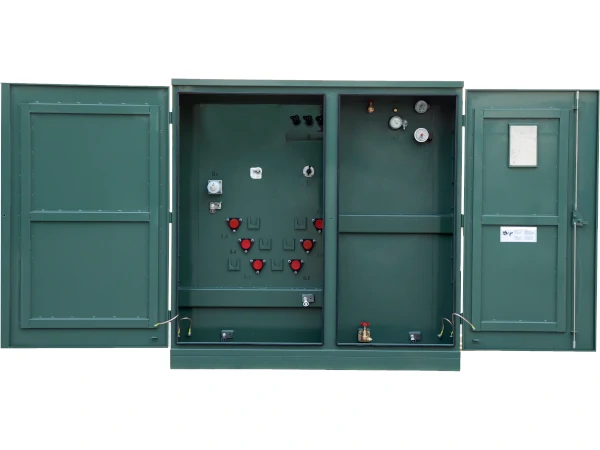
The grounding delta transformer plays a crucial role in controlling neutral grounding, stabilizing voltage fluctuations, and protecting electrical systems from harmful disturbances. Its compact design makes it suitable for modern installations where space efficiency and reliability are equally important.
Understanding the Compact Grounding Delta Transformer
What Is a Grounding Delta Transformer?
A grounding delta transformer is a specialized transformer configuration used to provide a neutral point for grounding in electrical power systems. It is typically connected in a delta configuration on the primary side, which helps balance loads and reduce harmonics.
The grounding point created by this transformer allows electrical systems to safely manage fault currents and maintain system stability during abnormal conditions.
Why “Compact” Design Matters
A compact grounding delta transformer is designed to deliver the same performance as traditional systems but in a smaller, space-efficient structure. This makes it ideal for:
- Urban electrical installations
- Industrial control rooms
- Commercial buildings
- Substations with limited space
Despite its smaller size, it maintains high efficiency and strong electrical performance.
Working Principle of Grounding Delta Transformers
Delta Configuration Explained
In a delta connection, the transformer windings are connected in a closed loop, forming a triangular shape. This configuration helps:
- Balance three-phase loads
- Reduce harmonic distortion
- Improve system stability
The absence of a direct neutral point in delta systems is resolved using grounding transformers.
Creating a Stable Neutral Point
The grounding delta transformer creates an artificial neutral point, which is essential for:
- Fault current control
- System grounding
- Voltage stabilization
This neutral point helps safely redirect fault currents to the ground, protecting equipment and personnel.
Key Features of Compact Grounding Delta Transformers
Space-Efficient Construction
One of the most important advantages is its compact structure, which allows installation in tight spaces without compromising performance. This includes:
- Reduced footprint design
- Lightweight structural components
- Easy integration into existing systems
High Fault Current Handling
These transformers are designed to handle fault conditions effectively by:
- Limiting excessive current flow
- Stabilizing voltage during faults
- Protecting connected equipment
This ensures system safety even during electrical disturbances.
Thermal and Electrical Efficiency
Modern designs focus on reducing energy losses and heat generation through:
- High-grade core materials
- Efficient winding techniques
- Improved cooling systems
This enhances overall performance and durability.
Applications of Grounding Delta Transformers
Industrial Power Systems
In industrial environments, grounding delta transformers are widely used to:
- Stabilize heavy machinery loads
- Protect motors and drives
- Reduce electrical noise and harmonics
They are essential in manufacturing plants and processing industries.
Commercial Electrical Infrastructure
In commercial buildings, they support:
- HVAC systems
- Elevator operations
- Lighting networks
- Sensitive electronic systems
They ensure smooth and safe electrical distribution.
Renewable Energy Systems
These transformers are also used in renewable energy setups such as:
- Solar power plants
- Wind energy systems
- Hybrid energy grids
They help stabilize variable power outputs and maintain grid compatibility.
Benefits of Compact Grounding Delta Transformers
Improved Electrical Safety
One of the primary benefits is enhanced safety through effective grounding. This helps:
- Prevent electrical shocks
- Reduce fire risks
- Protect sensitive equipment
Better System Stability
By balancing loads and managing fault currents, these transformers ensure:
- Stable voltage levels
- Reduced power fluctuations
- Reliable system performance
Reduced Harmonic Distortion
Delta configurations help minimize harmonics, which improves:
- Power quality
- Equipment efficiency
- System longevity
Space Optimization
The compact design allows installation in areas where traditional transformers may not fit, making them ideal for modern infrastructure projects.
See also: Resolving Complex Claims with Skilled Public Liability Lawyers Quickly
Design and Engineering Aspects
Advanced Core Materials
High-performance materials such as silicon steel or amorphous cores are used to:
- Reduce energy losses
- Improve magnetic efficiency
- Enhance durability
Efficient Cooling Systems
To manage heat generated during operation, compact grounding transformers use:
- Natural air cooling
- Oil-immersed cooling systems
- Heat-resistant insulation materials
These systems ensure stable operation under varying loads.
Strong Mechanical Structure
The transformer casing is designed to withstand:
- Mechanical stress
- Environmental conditions
- Electrical faults
This increases reliability and lifespan.
Installation Guidelines
Proper Site Selection
For optimal performance, the installation site should:
- Be dry and well-ventilated
- Have sufficient clearance for maintenance
- Be free from excessive dust or moisture
Correct Grounding Practices
Proper grounding is essential for safety:
- Ensure low-resistance grounding connections
- Follow electrical safety standards
- Verify neutral point stability
Professional Installation
Installation should always be carried out by qualified technicians to ensure:
- Correct wiring connections
- Safe system integration
- Compliance with electrical codes
Maintenance and Operational Best Practices
Regular Inspection
Routine inspections help maintain performance:
- Check insulation condition
- Inspect wiring connections
- Monitor temperature levels
Load Monitoring
Keeping the transformer within rated capacity ensures:
- Longer lifespan
- Reduced overheating
- Stable performance
Preventive Maintenance
Scheduled maintenance includes:
- Cleaning external components
- Testing grounding systems
- Verifying electrical balance
This reduces unexpected failures.
Challenges and Considerations
Initial Installation Complexity
Although compact in size, proper installation requires technical expertise due to:
- Complex grounding configurations
- System integration requirements
Load Management Requirements
Incorrect load distribution can affect performance, making monitoring essential.
Environmental Factors
External conditions such as humidity, temperature, and dust can impact long-term efficiency if not properly managed.
Future of Grounding Delta Transformer Technology
Integration with Smart Monitoring Systems
Future transformers are expected to include:
- Real-time performance tracking
- Remote diagnostics
- Automated fault detection
Improved Energy Efficiency
Advancements in materials and design will continue to reduce:
- Energy losses
- Heat generation
- Operational costs
Greater Role in Smart Grids
These transformers will play a key role in:
- Smart energy distribution systems
- Renewable energy integration
- Grid stability management
Conclusion
The compact grounding delta transformer is a vital component in modern energy management systems. It provides essential grounding support, improves electrical safety, and enhances system stability across industrial, commercial, and renewable energy applications.
With its space-saving design, efficient performance, and advanced fault-handling capabilities, it is well-suited for today’s compact and high-demand electrical environments. As power systems continue to evolve, grounding delta transformers will remain essential for ensuring safe, reliable, and efficient energy distribution.