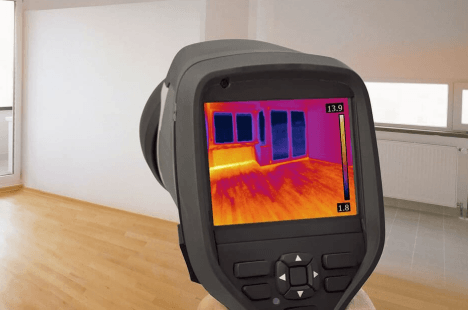
Thermal imaging technology has become an essential tool across many industries because it allows professionals to detect heat patterns, temperature differences, and hidden problems quickly and accurately. From electrical maintenance and building inspections to industrial monitoring and predictive maintenance, a thermal inspection camera helps improve safety, efficiency, and equipment reliability.
Thermal cameras use infrared technology to visualize temperature variations that are often invisible to the human eye. This allows technicians, engineers, and inspectors to identify issues before they become serious failures or safety hazards.
What Is a Thermal Inspection Camera?
A thermal inspection camera is a device that captures infrared radiation and converts temperature differences into visual thermal images.
These cameras are commonly used to:
- Detect overheating equipment
- Identify electrical faults
- Inspect buildings and insulation
- Monitor industrial systems
- Support preventive maintenance
Today, many professionals rely on advanced thermal inspection camera solutions for accurate diagnostics and efficient inspection processes.
Why Thermal Imaging Is Important
Temperature changes often indicate hidden operational or structural problems.
Thermal imaging helps professionals:
- Detect problems early
- Improve workplace safety
- Reduce maintenance costs
- Prevent equipment failure
- Increase operational efficiency
Early detection helps organizations avoid costly downtime and unexpected repairs.
Common Applications of Thermal Inspection Cameras
Thermal imaging technology supports many industries and inspection tasks.
Electrical System Inspections
Thermal cameras help identify overheating wires, overloaded circuits, and faulty electrical components.
Building and Facility Inspections
Inspectors use thermal imaging to detect insulation gaps, moisture problems, and air leaks.
Industrial Equipment Monitoring
Factories and production facilities use thermal inspections for predictive maintenance and equipment monitoring.
Mechanical System Diagnostics
Thermal cameras help detect friction, overheating motors, and mechanical wear.
Benefits of Using Thermal Inspection Cameras
Thermal imaging offers several important advantages for maintenance and inspection professionals.
Non-Contact Temperature Measurement
Inspectors can safely monitor equipment without direct physical contact.
Faster Problem Detection
Thermal cameras quickly identify abnormal heat patterns and hidden faults.
Improved Preventive Maintenance
Early detection helps reduce downtime and unexpected equipment failures.
Enhanced Safety
Thermal inspections help identify fire risks, electrical hazards, and overheating systems.
Why Predictive Maintenance Is Growing
Many organizations now prioritize preventive and predictive maintenance strategies.
Reduced Equipment Downtime
Early detection helps businesses avoid operational interruptions.
Lower Repair Costs
Addressing small issues early often prevents larger and more expensive failures.
Improved Operational Efficiency
Reliable equipment performance supports smoother business operations.
How Technology Is Improving Thermal Imaging
Thermal imaging technology continues evolving with better accuracy and advanced features.
Higher Resolution Imaging
Modern cameras provide more detailed and precise thermal analysis.
Wireless Connectivity
Many thermal cameras support mobile devices and cloud-based reporting systems.
Integrated Data Analysis
Advanced software helps technicians generate reports and analyze inspection results more efficiently.
AI and Smart Diagnostics
Artificial intelligence may help automate thermal analysis and fault detection.
Industries That Use Thermal Inspection Cameras
Thermal imaging is widely used across many sectors.
Electrical and Energy Industries
Electricians and utility providers use thermal inspections for system safety and maintenance.
Construction and Building Management
Inspectors evaluate insulation performance and structural conditions.
Manufacturing and Industrial Operations
Factories monitor machinery and production systems using thermal technology.
Automotive and Mechanical Services
Technicians use thermal imaging to diagnose engines, brakes, and mechanical systems.
Future Trends in Thermal Inspection Technology
Thermal imaging continues advancing to support modern inspection and maintenance needs.
Increased Automation
Automated monitoring systems may provide continuous thermal analysis.
Integration With Smart Maintenance Systems
Thermal cameras are increasingly connected with digital maintenance platforms.
Greater Use in Preventive Safety Programs
Organizations continue expanding thermal inspection use for workplace safety and risk management.
See also: Accounting Service HK: Efficient Financial Solutions for Modern Businesses
Why Choosing the Right Thermal Camera Matters
A professional thermal inspection camera offers more than temperature measurement alone. It provides accurate diagnostics, preventive maintenance support, operational efficiency, and enhanced safety monitoring that help businesses reduce risks and improve performance.
As industries continue adopting smarter maintenance and inspection practices, thermal imaging technology is becoming increasingly valuable for modern operations.
FAQs
What is a thermal inspection camera?
A thermal inspection camera uses infrared technology to detect and visualize temperature differences in equipment and structures.
Why are thermal cameras used in inspections?
Thermal cameras help detect hidden problems such as overheating equipment, electrical faults, insulation gaps, and mechanical issues.
Which industries use thermal inspection cameras?
Thermal imaging is commonly used in electrical, construction, manufacturing, automotive, and industrial maintenance industries.
Conclusion
Thermal imaging technology has become an essential part of modern inspection, maintenance, and safety management. A thermal inspection camera helps professionals identify hidden issues, improve preventive maintenance, and reduce operational risks through accurate temperature analysis and infrared imaging. From electrical inspections and building diagnostics to industrial equipment monitoring and mechanical maintenance, thermal cameras provide valuable support for efficient and safe operations.
As technology and predictive maintenance strategies continue advancing, thermal inspection solutions are becoming increasingly important for improving reliability, safety, and long-term operational performance.