In today’s rapidly evolving digital economy, electronic devices are constantly being upgraded, replaced, and retired. This has led to a significant rise in electronic waste, making responsible disposal more important than ever. In regions where sustainability initiatives are gaining momentum, such as electronics recycling in New York, businesses and individuals are increasingly seeking reliable solutions for managing outdated IT equipment. Proper e-waste management is no longer just an environmental concern—it is also a matter of data security, regulatory compliance, and corporate responsibility.
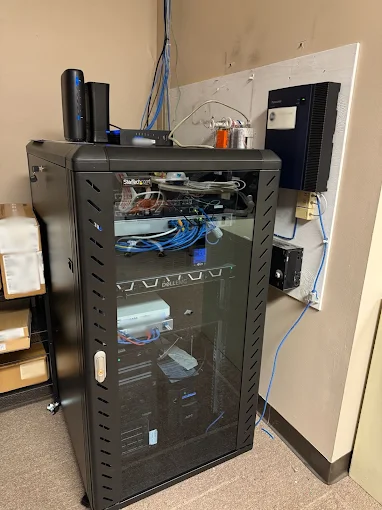
Electronics recycling ensures that outdated devices are handled in a safe, structured, and environmentally friendly manner. From laptops and servers to mobile phones and networking equipment, every electronic device contains valuable materials that can be recovered, as well as hazardous components that must be properly managed. Without a reliable recycling system, these materials can pose serious risks to both the environment and data security.
Understanding Electronics Recycling and E-Waste Management
Electronics recycling refers to the process of collecting, dismantling, and recovering usable materials from discarded electronic devices. E-waste management is the broader framework that includes collection, transportation, data destruction, recycling, and responsible disposal.
Modern IT environments generate large volumes of e-waste due to rapid technological advancement. Devices become obsolete quickly, even if they are still functional. As a result, organizations must adopt structured recycling strategies to ensure that equipment is disposed of safely and efficiently.
Reliable electronics recycling services help manage this process by:
- Ensuring secure handling of IT assets
- Recovering valuable raw materials
- Preventing environmental contamination
- Protecting sensitive data stored on devices
The Importance of Electronics Recycling in New York
Urban centers like New York generate significant amounts of electronic waste due to dense business activity and high technology usage. Offices, data centers, educational institutions, and healthcare facilities regularly upgrade their IT infrastructure, contributing to a continuous stream of retired devices.
Without proper recycling systems in place, this e-waste can lead to:
- Overflowing landfills
- Toxic chemical leakage into soil and water
- Increased greenhouse gas emissions
- Data security risks from improperly discarded devices
Reliable electronics recycling services help mitigate these issues by providing structured and compliant disposal solutions tailored to high-density environments.
Environmental Benefits of Electronics Recycling
1. Reduction of Electronic Waste
One of the most significant benefits of electronics recycling is the reduction of waste sent to landfills. Devices such as computers, servers, and printers contain non-biodegradable materials that can persist in the environment for decades.
Recycling ensures that these materials are properly processed instead of being discarded irresponsibly.
2. Recovery of Valuable Resources
Electronic devices contain valuable materials, including:
- Gold
- Silver
- Copper
- Aluminum
- Rare earth elements
Recycling allows these materials to be recovered and reused in manufacturing new products, reducing the need for mining and conserving natural resources.
3. Reduction of Environmental Pollution
Improper disposal of electronics can release hazardous substances such as lead, mercury, and cadmium into the environment. These toxins can contaminate soil, water, and air, posing serious health risks.
Proper recycling ensures that these materials are safely extracted and disposed of according to environmental regulations.
4. Energy Conservation
Producing new electronics from raw materials requires significant energy. Recycling reduces the need for new material extraction and manufacturing, thereby lowering overall energy consumption and carbon emissions.
Data Security in Electronics Recycling
One of the most critical aspects of electronics recycling is ensuring that all data stored on devices is completely destroyed before disposal.
Even after files are deleted or systems are reset, data can often be recovered using advanced tools. This creates a major security risk for organizations handling sensitive information.
Reliable recycling solutions address this issue through:
- Secure data wiping
- Physical destruction of storage devices
- Degaussing for magnetic media
- Certified data destruction processes
These methods ensure that no recoverable data remains on retired devices.
Compliance and Regulatory Requirements
Organizations must comply with strict data protection and environmental regulations when disposing of electronic waste. These regulations are designed to prevent data breaches and environmental harm.
Reliable electronics recycling services help organizations meet compliance requirements by providing:
- Detailed documentation of disposal processes
- Certificates of data destruction
- Chain-of-custody tracking
- Audit-ready reporting
This ensures transparency and reduces the risk of legal penalties or regulatory violations.
The Electronics Recycling Process
1. Collection and Asset Identification
The process begins with collecting electronic devices and identifying each asset. This ensures proper tracking and accountability throughout the recycling process.
2. Secure Transportation
Devices are transported securely to prevent loss, theft, or tampering. A documented chain of custody ensures that every item is accounted for at each stage.
3. Data Destruction
Before recycling, all data stored on devices is permanently destroyed using certified methods. This step is essential for protecting sensitive information.
4. Dismantling and Sorting
Devices are dismantled into components such as metals, plastics, and circuit boards. These materials are then sorted for recycling or disposal.
5. Material Recovery
Reusable materials are extracted and processed for use in manufacturing new products. This supports the circular economy and reduces environmental impact.
6. Certification and Reporting
Organizations receive documentation confirming that devices have been responsibly recycled and data has been securely destroyed. This is essential for compliance and auditing purposes.
Benefits of Reliable Electronics Recycling Solutions
Enhanced Data Protection
Ensures that sensitive information is permanently destroyed before disposal.
Environmental Responsibility
Reduces pollution and promotes sustainable resource use.
Regulatory Compliance
Helps organizations meet environmental and data protection standards.
Cost Efficiency
Recovered materials and improved asset lifecycle management can reduce operational costs.
Improved Corporate Reputation
Demonstrates commitment to sustainability and ethical business practices.
See also: Payroll Outsourcing Singapore: Streamlining Business Operations
Challenges in E-Waste Management
Despite its importance, electronics recycling presents several challenges:
- Rapid growth of electronic waste volumes
- Complex logistics for collection and transportation
- Ensuring complete data destruction across all devices
- Managing diverse types of electronic equipment
- Keeping up with evolving regulations
Addressing these challenges requires specialized expertise and structured recycling systems.
Best Practices for Effective Electronics Recycling
Organizations can improve their e-waste management strategies by following these best practices:
- Maintain a comprehensive inventory of all electronic assets
- Implement strict data destruction policies
- Partner with certified recycling providers
- Ensure proper documentation of all recycling activities
- Conduct regular audits for compliance verification
- Educate employees on responsible disposal practices
These practices help ensure both environmental sustainability and data security.
The Future of Electronics Recycling
As technology continues to evolve, electronics recycling is becoming more advanced and efficient. Emerging trends include:
- AI-powered asset tracking and optimization
- Automated dismantling and sorting systems
- Blockchain-based chain-of-custody verification
- Improved material recovery technologies
- Stronger global environmental regulations
These innovations will enhance both efficiency and sustainability in e-waste management.
Conclusion
Reliable electronics recycling is essential for effective e-waste management in today’s technology-driven world. It ensures that outdated devices are handled securely, data is permanently destroyed, and valuable materials are recovered in an environmentally responsible manner.
As awareness of sustainability and data security continues to grow, adopting structured recycling solutions is no longer optional—it is a necessity. A strong focus on electronics recycling New York reflects a broader commitment to responsible technology management and environmental protection.
Organizations seeking secure and efficient IT asset disposal solutions can explore comprehensive services available through E-xpire, designed to support safe recycling and responsible e-waste management.
Ultimately, reliable electronics recycling is not just about disposing of old devices—it is about protecting data, preserving the environment, and building a more sustainable digital future.