• Home
  • Tech
  • Used Oil Distillation Plant: Efficiently Converting Waste Oil into Valuable Resources

Used Oil Distillation Plant: Efficiently Converting Waste Oil into Valuable Resources

Used Oil Distillation Plant: Efficiently Converting Waste Oil into Valuable Resources

Industries and automotive sectors generate large quantities of used oil, which can become a significant environmental hazard if disposed of improperly. A used oil distillation plant offers an effective solution by transforming waste oil into high-quality reusable products like base oil and diesel. This process not only protects the environment but also provides economic advantages for businesses.

What is a Used Oil Distillation Plant?

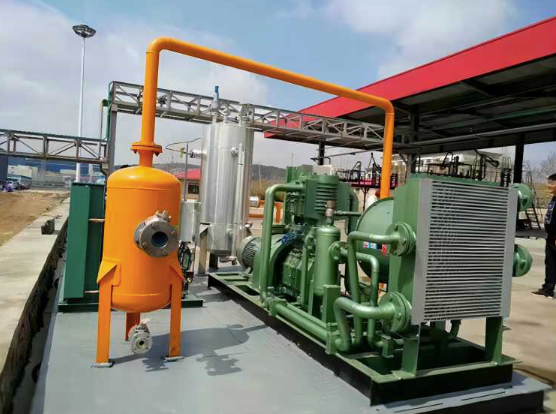
A used oil distillation plant is specialized equipment designed to process contaminated or spent oils through advanced techniques. It separates the oil from contaminants such as sludge, water, and heavy metals, producing clean and reusable oil suitable for industrial or automotive applications.

Key Benefits of a Distillation Plant

  • Environmental Protection – Reduces soil and water contamination caused by hazardous waste.
  • Cost Savings – Recovered oil lowers the need for purchasing fresh oil.
  • Resource Optimization – Converts industrial waste into high-quality oil.
  • Regulatory Compliance – Helps industries meet environmental and safety standards.

Features of Modern Used Oil Distillation Plants

Modern distillation plants are equipped with advanced technology to maximize efficiency and output quality. Key features include:

  • Filtration Units – Remove solid particles and sludge from used oil.
  • Heating and Distillation Systems – Separate reusable oil fractions from contaminants.
  • Automated Control Panels – Ensure consistent temperature, pressure, and flow.
  • Energy-Efficient Designs – Reduce electricity consumption while maintaining high output.
  • Scalable Solutions – Adaptable for small workshops, medium industries, or large plants.

Applications Across Industries

Used oil distillation plants are versatile and have broad applications:

  • Automotive Workshops – Recycle engine oils and lubricants for reuse.
  • Industrial Manufacturing – Recover oil from machinery and production lines.
  • Energy and Power Plants – Convert waste oil into diesel to support operations.
  • Marine Industry – Safely process oils from ships and heavy equipment.

These applications allow businesses to save costs, reduce waste, and promote eco-friendly practices.

Advantages of a High-Quality Distillation Plant

Investing in a well-designed plant provides several advantages:

  1. Operational Reliability – Durable machinery ensures continuous production and minimizes downtime.
  2. Cost Efficiency – Reduces dependence on fresh oil and decreases disposal costs.
  3. Environmental Responsibility – Converts hazardous waste into reusable products, supporting sustainability.
  4. High-Quality Output – Produces clean base oil or diesel suitable for industrial or automotive use.

Why Choose a Used Oil Distillation Plant

A  used oil distillation plant  allows industries to process waste oil efficiently while maintaining environmental standards. The plant’s advanced filtration and distillation systems ensure the recovered oil is of high quality, meeting industrial requirements. Additionally, automated monitoring and control features improve safety, consistency, and energy efficiency.

Components of a Distillation Plant

A typical plant includes:

  • Collection and storage tanks for used oil
  • Pre-treatment and filtration systems
  • Heating and distillation units
  • Cooling and storage sections
  • Automated monitoring and control panels

Together, these components ensure safe, efficient, and high-quality oil recovery.

See also: Runner’s Knee: Why Physical Therapy Is the Best Treatment

Environmental and Economic Impact

Processing used oil through distillation minimizes environmental hazards by removing heavy metals and toxic substances. Additionally, it reduces the demand for new crude oil, helping conserve natural resources. Economically, businesses benefit from reduced raw material costs, lower energy consumption, and the ability to reuse or sell recycled oil.

Conclusion

Investing in a is a strategic decision for industries aiming for sustainability and operational efficiency. By converting used oil into valuable products, businesses reduce environmental risks, optimize resources, and save costs. Choosing a high-quality plant ensures reliable performance, regulatory compliance, and long-term eco-friendly operations.

Frequently Asked Questions (FAQs)

1. What types of oil can a distillation plant process?
It can process engine oils, industrial lubricants, and other waste oils to produce base oil or diesel.

2. How do I select a reliable distillation plant?
Consider the manufacturer’s experience, technology quality, energy efficiency, and technical support.

3. What are the main benefits of a used oil distillation plant?
Benefits include operational efficiency, cost savings, environmental sustainability, and high-quality oil recovery.


Get HITECHY update

Get the most important tech news in your email each week.

[mc4wp_form id=62]

Leave a Reply

Your email address will not be published. Required fields are marked *

Related blogs
Why Deal Room Logins Get Shared and How to Stop It Without Annoying Anyone
John AOct 20, 2026

Three people used the same login on your last deal. I know because I…

Enhancing travel safety: the role of modern scanning technology
John ASep 29, 2026

In our fast-paced world, where hopping on a plane or crossing borders is as…

When Outsourced HR Becomes a Strategic Advantage for Smaller Businesses
John ASep 26, 2026

For a growing business, the need for human resources expertise often appears before the…

A retest has two jobs: confirm the reported findings are genuinely fixed, and check that the release did not introduce new ones. Teams often buy only the first. That is understandable and it misses the more common risk, because authorisation logic tends to break when somebody adds a field or a route rather than when they fix a bug. Verification means reproducing the original attack, not reading a commit message. For an object level authorisation finding that means authenticating as one tenant and requesting another tenant's record exactly as before. For an injection finding it means sending the original payload and its close variants, since a fix that filters one character often leaves an equivalent encoding working. Ask for evidence in the retest report showing the request and the new response, because that is what an auditor or a customer will want to see. What a release changes beyond the fix New fields are the usual source of regressions. An endpoint that accepts an extra property may now allow mass assignment of something sensitive, and a response that includes a new attribute may expose data the previous version filtered. Route changes matter too: adding a version prefix or a new path can leave the old route in place with the older behaviour. Dependency upgrades shipped alongside the feature bring their own changes, occasionally including a serialisation library that now handles types differently. “Give the tester a changelog rather than asking them to guess. Twenty minutes writing down what changed saves half a day of rediscovery and buys you deeper testing on the parts that actually moved. The teams that do this get noticeably better value from a two day retest than the ones who hand over a link and a login.” William Fieldhouse, Director, Aardwolf Security Ltd Scoping the delta sensibly A full retest of a large API after every release is neither affordable nor necessary. Scope it by risk instead: verify every previously reported finding, then test the endpoints that changed and any endpoint that shares an authorisation path with them. Include anything touching money, personal data or administrative functions regardless of whether it changed, since those are the areas where a regression matters most. Two days covers this comfortably for most platforms, compared with the five to eight a full assessment takes. Making retesting routine Tie it to your release train rather than to an annual date. A quarterly retest with a full assessment once a year works for most teams shipping regularly, and it keeps your evidence current for customers who ask. Automate what can be automated, including contract tests that assert authorisation behaviour on every route, so the manual retest concentrates on logic rather than repetition. Keep the reports together as a set, because the trend across a year is what a customer reviewing your security wants to see. When you plan the year's budget, ask about a retest quote alongside the main engagement, and book an API penetration testing retest at the point the original work is agreed rather than negotiating it later. Frequently asked questions about API retesting These questions come up whenever a remediation window is being planned. How long should you wait before retesting? Long enough for the fixes to be deployed to the environment being tested and no longer. Waiting for a quarterly release cycle to complete usually means retesting a version several changes ahead of the one that was fixed. Is a retest cheaper than a new test? Considerably, because the tester already understands the application and the scope is narrower. That advantage disappears if the retest is delayed by a year, at which point it is effectively a new engagement.
Retesting an API After a Release: What Actually Needs Rechecking
John ASep 22, 2026

A retest has two jobs: confirm the reported findings are genuinely fixed, and check…