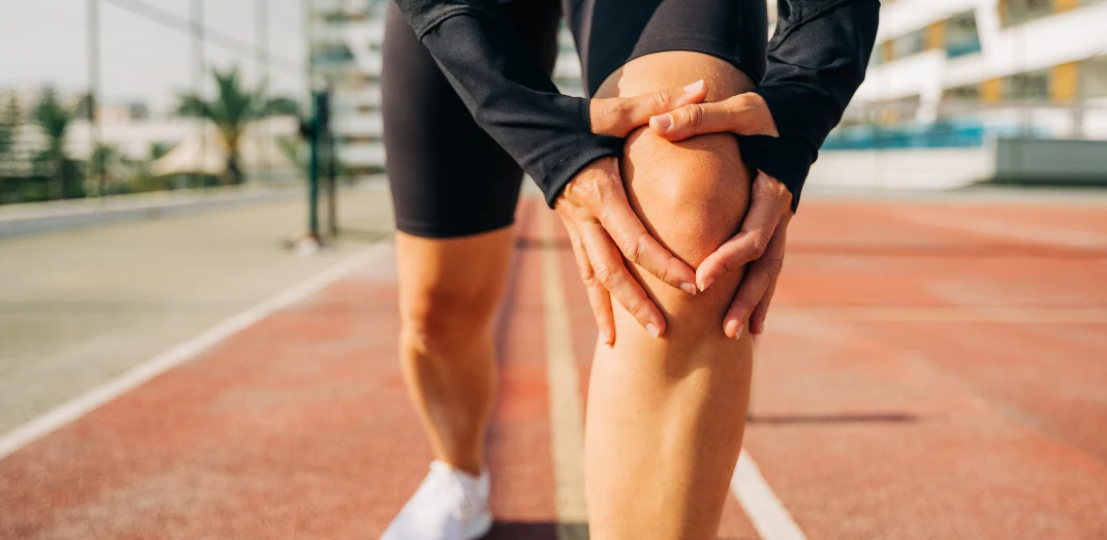
Runner’s knee is one of the most common overuse injuries among active individuals, especially runners and athletes who perform repetitive lower-body movements. Medically known as patellofemoral pain syndrome, it typically causes a dull, aching pain around the front of the knee that worsens with activity. Fortunately, physical therapy provides an effective, non-invasive way to treat the condition and prevent it from returning.
What Runner’s Knee Is
Runner’s knee develops when the kneecap (patella) does not move properly within its groove, leading to irritation of the surrounding tissues. This misalignment is often caused by muscle imbalances, poor biomechanics, overtraining, or inadequate recovery. Activities like running, squatting, climbing stairs, or sitting for long periods can all aggravate symptoms.
Pain is usually felt around or behind the kneecap and may be accompanied by stiffness, grinding sensations, or swelling. While it is commonly associated with running, runner’s knee can affect anyone who places repeated stress on the knee joint. Without proper treatment, symptoms can persist and limit mobility over time.
Seeking professional care early can make a significant difference. Many patients benefit from targeted knee therapy, such as knee therapy, which focuses on correcting movement patterns and reducing strain on the joint. Because the knee is influenced by the hips, ankles, and feet, addressing the entire kinetic chain is essential for lasting relief.
How Physical Therapy Addresses Runner’s Knee
Physical therapy for runner’s knee focuses on reducing pain, improving alignment, and strengthening the muscles that support the knee. A therapist begins by evaluating how the body moves, identifying weaknesses or imbalances that may be contributing to improper tracking of the kneecap.
Strengthening exercises are a key component of treatment. Building strength in the quadriceps, glutes, and hip stabilizers helps guide the kneecap into proper alignment during movement. Exercises such as step-downs, leg raises, and resistance band work are often used to improve control and stability.
Flexibility is also addressed, as tight muscles in the hamstrings, calves, or hips can place additional stress on the knee. Stretching and mobility work help reduce tension and improve range of motion, allowing for more efficient movement patterns.
In some cases, therapists may incorporate advanced techniques like trigger point dry needling to release tight muscles and reduce pain. This can improve muscle activation and support faster recovery when combined with exercise-based therapy.
see Also: Will After Sun Lotion Stop My Skin Peeling? What You Should Know
Foot mechanics can also play a role in knee pain. Conditions like plantar fasciitis may alter how force is distributed through the lower body, increasing strain on the knee. Addressing these issues through physical therapy for plantar fasciitis can help restore proper alignment and reduce stress throughout the kinetic chain.
Conclusion
Runner’s knee can be frustrating, but it is highly treatable with the right approach. Physical therapy addresses the root causes of pain by improving strength, flexibility, and movement mechanics. With a personalized plan and consistent care, patients can return to activity safely and reduce the risk of future injuries.