The beauty and skincare industry has experienced remarkable technological advancements, making it easier to improve skin appearance without invasive procedures. Modern non-surgical skin rejuvenation treatments use innovative technologies to address concerns such as fine lines, wrinkles, uneven texture, pigmentation, and loss of firmness. These treatments offer individuals opportunities to achieve healthier-looking skin with minimal disruption to their daily routines.
Understanding the technology behind these procedures can help individuals make informed decisions about their skincare goals.
How Laser Technology Improves Skin Appearance
Laser technology has become an important part of modern skin rejuvenation. Laser treatments use concentrated light energy to target specific layers of the skin, encouraging natural repair processes and improving overall appearance.
Different laser technologies address different concerns, including sun damage, uneven pigmentation, acne scars, and fine lines. Some lasers remove damaged surface layers, while others work beneath the skin without significantly affecting the surface.
By stimulating collagen production, certain laser treatments can gradually improve skin texture and firmness. Results depend on the technology used, individual skin characteristics, and treatment plans.
The Role of Radiofrequency in Skin Tightening
Radiofrequency technology is another advancement in non-surgical skin rejuvenation. This treatment delivers controlled energy into targeted skin tissues, generating heat that can stimulate collagen remodeling.
Collagen is an essential protein responsible for maintaining skin structure and elasticity. As collagen production naturally decreases with age, skin may gradually lose firmness.
Radiofrequency treatments aim to support collagen renewal, potentially improving the appearance of mild skin laxity and fine lines. Many procedures require little downtime, making them attractive to individuals with busy schedules.
Microneedling and Collagen Stimulation
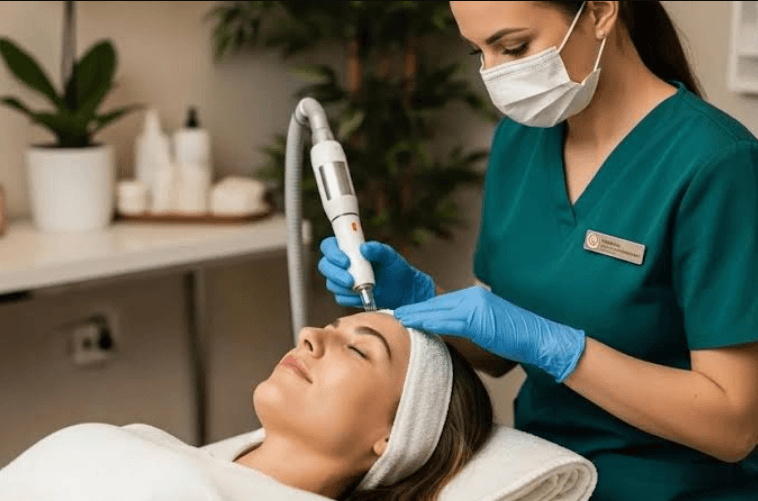
Microneedling uses specialized devices containing tiny needles to create controlled micro-injuries in the skin. These micro-injuries activate the body’s natural healing response, encouraging collagen and elastin production.
Modern microneedling devices offer adjustable needle depths, allowing skincare professionals to customize treatments according to specific concerns.
This technology is commonly used to improve uneven texture, enlarged pores, acne scars, and fine lines. Some advanced systems combine microneedling with radiofrequency energy to target deeper skin layers.
Advanced Light-Based Skin Treatments
Intense pulsed light, commonly known as IPL, uses broad-spectrum light energy to address visible pigmentation and redness.
Unlike traditional lasers, IPL delivers multiple wavelengths of light, allowing treatment of certain skin concerns across targeted areas.
These treatments may help reduce the appearance of sunspots, freckles, and some visible blood vessels. However, suitability varies depending on skin tone, pigmentation, and medical history.
See also: Health CRM and Mental Health EHR System: Keeping Care and Communication in Sync
Personalized Technology for Better Skincare Results
Modern skin rejuvenation increasingly emphasizes personalized treatment planning. Skin analysis, professional consultations, and adjustable treatment devices help practitioners select appropriate approaches.
Individuals exploring advanced skincare solutions can consult providers such as dermani MEDSPA® to learn about available aesthetic treatments and options suited to their individual concerns.
The Future of Non-Surgical Skin Rejuvenation
As technology continues to evolve, non-surgical treatments are becoming increasingly precise and customizable. Innovations in energy delivery, treatment monitoring, and combination therapies may further improve patient experiences.
Although results vary and multiple sessions may be necessary, modern technologies offer promising approaches to maintaining youthful-looking skin without surgery. Choosing qualified professionals and following recommended aftercare remain essential for achieving safe, satisfying outcomes.