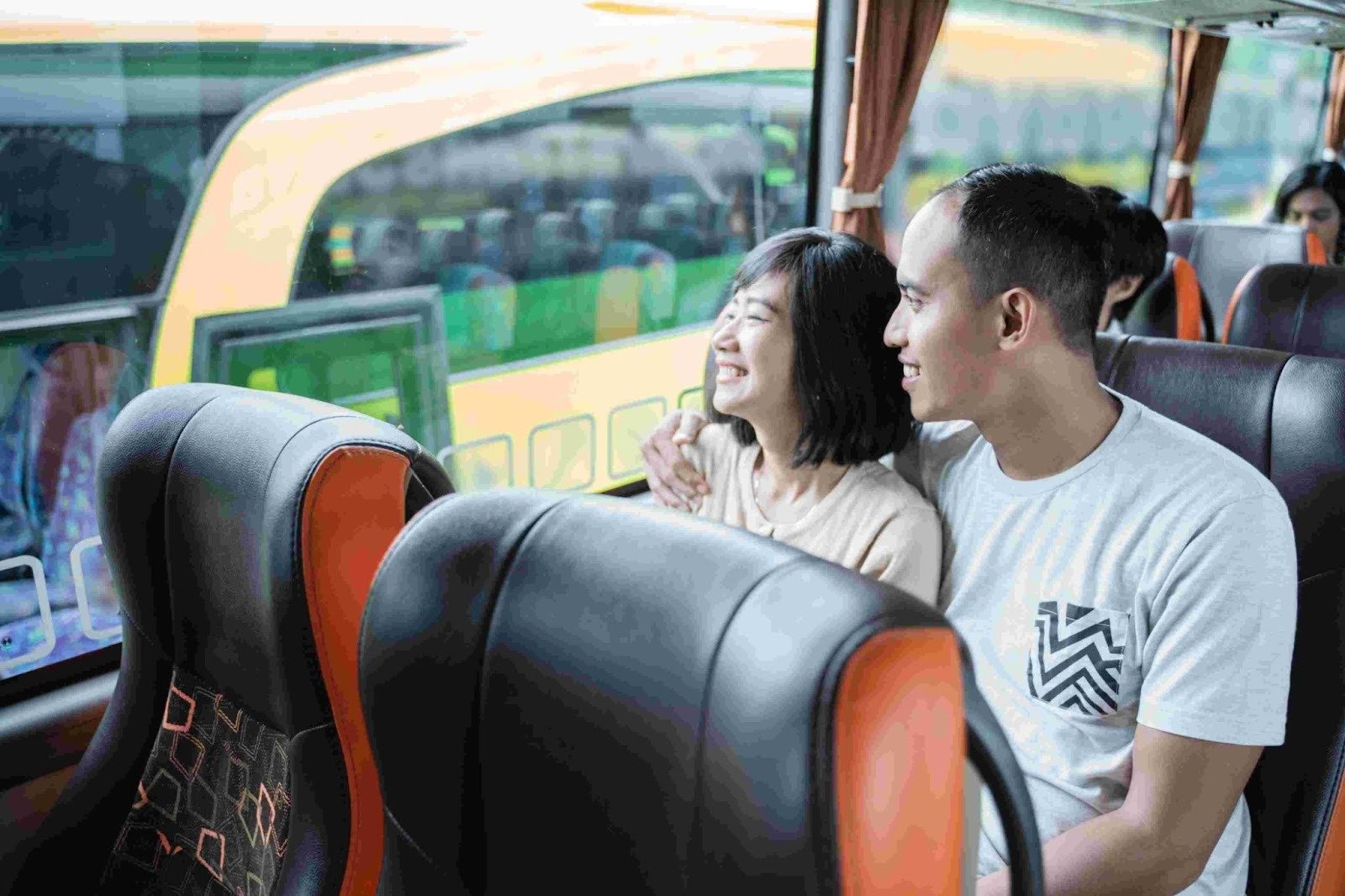
Travelling across Malaysia often involves navigating busy highways and deciding on the best mode of transport. For many locals and tourists alike, catching a bas ke tbs stands out as one of the most practical and comfortable options available. Taking the bus removes the stress of driving through heavy traffic and finding parking in the bustling city centre.
Instead of worrying about petrol costs and toll fees, passengers can simply sit back and relax. Modern coaches come equipped with air conditioning, spacious seating, and sometimes even onboard entertainment. This makes the journey to Kuala Lumpur an easy, pleasant part of the travel experience.
Planning your trip effectively ensures you get the best seats, times, and prices. This guide covers everything from booking your tickets to navigating the terminal itself, helping you prepare for a seamless journey to Malaysia’s premier transport hub.
Inside Terminal Bersepadu Selatan (TBS)
Terminal Bersepadu Selatan acts as the main gateway for southbound, eastbound, and northbound buses arriving in Kuala Lumpur. Opened in 2011, this massive complex resembles a modern airport rather than a traditional bus station. It features electronic departure boards, centralised ticketing systems, and fully air-conditioned waiting areas.
TBS integrates effortlessly with other public transport networks. Upon arriving, you can easily transfer to the LRT, KTM Komuter, or the KLIA Transit train. This connectivity makes it incredibly easy to reach your final destination within the Klang Valley or even head straight to the airport.
How to Book Your Bus Tickets
You have a few straightforward options for purchasing your tickets, depending on your preferences.
Booking Online
Securing tickets online is the most efficient method. Websites and apps like Easybook, RedBus, and CatchThatBus allow you to compare schedules and prices instantly.
- Select your departure city and set TBS as your destination.
- Choose your preferred travel date.
- Browse the list of available operators, noting the departure times and seat layouts.
- Pick your seat, enter your passenger details, and complete the payment using a card, e-wallet, or online banking.
- Save the e-ticket or QR code on your mobile phone to present at the departure gate.
Booking at the Counter
If you prefer buying tickets in person, TBS operates a centralised ticketing system. You do not need to hunt for specific operator booths. Simply approach any of the central ticket counters, inform the staff of your destination and preferred time, and they will show you the available options across all bus companies. Remember to bring your passport or identification card, as it is required for the purchase.
Choosing the Right Bus Operator
Several companies run daily routes to TBS, each offering different levels of comfort and pricing.
Transnasional
Known for its extensive network and reliability, Transnasional is a staple for Malaysian bus travel. They offer standard air-conditioned coaches that provide a comfortable, budget-friendly journey.
Aeroline
If luxury is a priority, Aeroline provides spacious seating, onboard meals, and a lounge area. It caters to business travellers and those willing to pay a premium for extra comfort during long rides.
Sani Express
Popular for East Coast routes, Sani Express features double-decker buses with ample legroom. Passengers consistently rate them highly for safety and punctuality.
KKKL Express
A favourite for trips from the south, including Johor Bahru and Singapore, KKKL offers single-deck and double-deck options. Many of their modern buses come with reliable Wi-Fi and USB charging ports.
See also: Surface Aeration vs Bottom Aeration: Choosing the Right System for Your Pond
Top Tips for a Smooth TBS Experience
Knowing how the terminal operates will save you time and confusion on the day of your journey.
Navigating Peak Hours
Bus travel spikes during public holidays, festive seasons, and school holidays. Tickets sell out weeks in advance for periods like Hari Raya and Chinese New Year. Always book early during these peak times and arrive at the terminal at least an hour before departure to navigate the crowds and clear the boarding gates.
Enjoying Terminal Facilities
TBS is designed for passenger comfort. If you arrive early, you can store your heavy luggage in the coin-operated lockers. The terminal boasts a massive food court, various fast-food outlets, and convenience stores to grab a quick snack. There are also baby care rooms, prayer rooms (surau), and clean restrooms spread across different levels.
Start Your Next Journey with Confidence
Travelling to Kuala Lumpur by bus offers unmatched convenience, affordability, and comfort. Terminal Bersepadu Selatan elevates the entire experience with its top-tier facilities and excellent transport links. By booking your tickets early and choosing the right operator, you can ensure a relaxing trip from start to finish. Grab your tickets online, pack your bags, and get ready to enjoy a hassle-free ride to the heart of Malaysia.