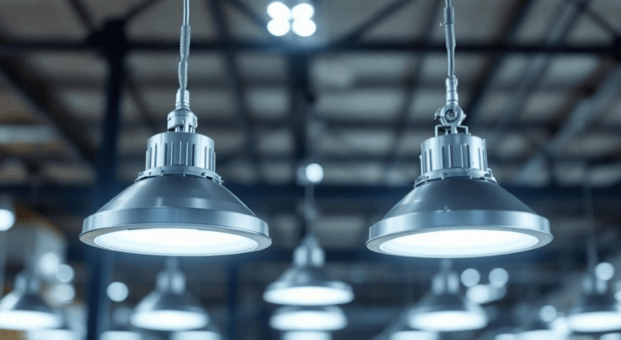
Industrial facilities, warehouses, and large commercial spaces depend on high-performance lighting for safety, productivity, and energy efficiency. high bay light supplier. Finding a dependable high bay light supplier is one of the most important decisions facility managers and procurement teams make. The right supplier provides not just products, but expertise, quality assurance, and ongoing support that keeps your facility running at its best.
What to Look for in a High Bay Light Supplier
A quality high bay light supplier is distinguished by product quality, technical expertise, comprehensive product range, reliable inventory, and responsive customer service. The supplier should be able to support your project from initial specification through final installation and beyond.
Product Quality and Certification
Look for suppliers offering products with UL, DLC (DesignLights Consortium), CE, and RoHS certifications. DLC listing is particularly important in North America as it is required for utility rebate programs that can significantly reduce project costs.
Technical Support Capabilities
The best suppliers provide photometric calculations, lighting layout designs, and on-site assessments. This technical support ensures that the lighting solution achieves the required illumination levels and complies with relevant standards.
- Comprehensive product range covering various wattages and beam angles
- Proven quality with verifiable certifications
- In-house technical support and lighting design services
- Responsive customer service and fast lead times
- Competitive warranty terms (typically 5 years for LED high bays)
Understanding High Bay Lighting Specifications
High bay lights are characterized by mounting height (typically 20 feet or more), output (measured in lumens), efficiency (lumens per watt), color temperature (Kelvin), color rendering index (CRI), and beam angle. Each specification affects how the light performs in your specific application.
LED vs. Traditional High Bay Lighting
LED high bay lights consume 40-60% less energy than metal halide or fluorescent equivalents while delivering equal or superior illumination. They also last significantly longer, reducing maintenance costs substantially over time.
Evaluating Pricing and Total Cost of Ownership
The purchase price of high bay lights is only one component of total cost. Energy consumption over the fixture’s lifetime, maintenance costs, potential utility rebates, and the cost of unplanned downtime all factor into the true economics of your lighting choice.
- Calculate 5-year energy costs at your facility’s energy rate
- Factor in utility rebates for DLC-listed products
- Consider maintenance savings from longer LED lifespan
- Request total cost of ownership analysis from your supplier
- Compare warranty terms and replacement cost provisions
Frequently Asked Questions
What wattage high bay light do I need for my warehouse?
Wattage depends on ceiling height, required foot-candle levels, and spacing. A lighting designer or supplier can provide a photometric layout that calculates the optimal wattage and placement for your specific facility.
How long do LED high bay lights last?
Quality LED high bay lights typically have rated lifespans of 50,000 to 100,000 hours, equivalent to 12 to 23 years at 12 hours of daily operation. This far exceeds the 10,000-15,000 hour lifespan of metal halide fixtures.
Can high bay lights be dimmed?
Many LED high bay lights support 0-10V or DALI dimming control. Dimmable fixtures enable occupancy-based and daylight-harvesting control strategies that can reduce energy consumption by an additional 30-50%.
See also: Kylie Mattress Protector for Aged Care and Home Use
Conclusion
The right high bay light supplier brings far more than products to your project. Their expertise, technical support, and commitment to quality can transform your facility’s lighting from an operational cost into a strategic asset. Take the time to evaluate multiple suppliers based on product quality, certifications, technical capabilities, and total cost of ownership to find the partner best positioned to support your facility’s long-term needs.