Picking the wrong aeration system for your pond will prove more costly than most people realize. Oxygen levels drop, fish become stressed, and water quality deteriorates faster than expected. The choice between surface and bottom aeration shapes the entire health of your water body. Getting it right from the start saves time, money, and a lot of frustration down the road.
Pond aeration is the process of introducing oxygen into water to sustain aquatic life and preserve long-term clarity. Surface and bottom systems each approach this task differently, and the better option depends on your pond’s depth, size, and specific purpose. Shallow decorative ponds carry different oxygen demands than deep fish-stocked lakes. Understanding those differences before buying equipment is what separates a thriving pond from a murky, struggling one.
What Surface Aerators Actually Do to Your Water
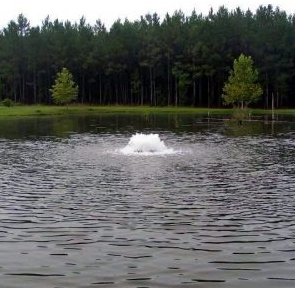
How Surface Mixing Drives Oxygen Transfer: Surface aerators work by agitating the top layer of water, drawing atmospheric oxygen down into the upper zone. This creates ripples, splashes, or spray patterns depending on the unit type. Fountain-style surface aerators double as visual features while actively promoting gas exchange at the water surface. They suit decorative ponds up to six feet deep where both aesthetics and aeration matter equally.
Where Surface Aeration Loses Its Edge: In water deeper than six feet, dissolved oxygen struggles to penetrate below the thermocline, leaving bottom layers chronically starved. Fish and beneficial bacteria living near the pond floor suffer most from this gap. Surface agitation alone cannot reach those depths reliably. If your pond carries significant depth, expecting a surface unit to handle all aeration is a mistake that shows in declining water quality fast.
The Case for Going Deeper with Bottom Aeration
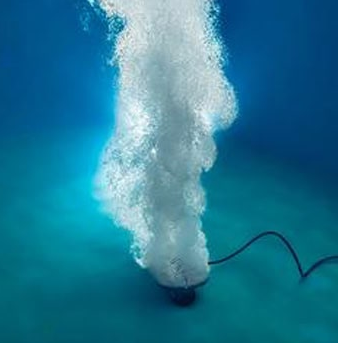
How Diffused Systems Deliver Oxygen From Below: Bottom aeration uses air compressors and weighted diffuser plates positioned directly at the pond floor. Compressed air travels down through flexible tubing and releases as fine bubbles that rise slowly through the water column. This rising action lifts cold, oxygen-depleted bottom water upward while drawing warmer surface water down. The result is continuous full-column circulation that reaches every depth layer, not just the top section.
Why Deep Ponds Respond Well to This Method: Ponds deeper than six feet develop thermal stratification, where cold, low-oxygen water sits trapped at the bottom and creates anaerobic conditions. This produces hydrogen sulfide, accelerates sediment buildup, and fuels algae growth in upper layers. Bottom aeration disrupts that stratification consistently and keeps the entire water column oxygenated. Fish health improves noticeably, and water clarity tends to increase within a short period of consistent operation.
Planning Your Bottom Aeration Layout: Proper diffuser placement matters as much as compressor output. Placing diffusers too close together limits circulation coverage, while spacing them too far apart leaves dead zones near the pond edges. Most installations benefit from one diffuser per quarter-acre to half-acre of bottom surface. Running the system year-round, rather than only in summer, prevents winter oxygen crashes that can devastate fish populations before spring.
See also: business dynamics numerical analysis
When One System Simply Is Not Enough
Signs Your Pond Needs a Combined Approach: Some ponds genuinely benefit from running both systems together. A deep pond with a fountain installed purely for aesthetics may still lack proper bottom circulation. Pairing a bottom aerator with a surface fountain gives full oxygen coverage from top to bottom without sacrificing the visual appeal. This combination works particularly well for ponds that serve both recreational and decorative purposes at the same time.
Matching Equipment to Pond Complexity: Irregularly shaped ponds, those with shallow coves attached to deeper basins, or ponds with heavy fish loads often need layered aeration strategies. Running a surface unit on shallow sections while placing diffuser plates in deeper zones gives targeted coverage. It takes more planning upfront, but the water quality outcomes justify the effort. Perhaps the most overlooked mistake is treating a complex pond like a simple one.
The Numbers That Guide Your Equipment Choice
Depth and Coverage Set the Rules: Pond depth, surface area, and fish load directly determine which system performs best in your specific situation. A common mistake is choosing equipment based on surface area alone while ignoring depth entirely. Oxygen depletion happens fastest in deeper water zones, and that single factor can make or break any aeration setup. Know your exact measurements before committing to any equipment purchase.
Key benchmarks to review before selecting any aeration equipment:
- Ponds under 6 feet deep respond well to surface aeration alone, provided coverage adequately matches the full surface area.
- Ponds over 6 feet deep require bottom diffuser systems to prevent serious oxygen depletion in lower water layers.
- Surface aerators typically cover 1 to 2 acres of surface depending on horsepower and spray pattern configuration.
- Bottom aeration systems are sized by diffuser plate count and compressor output rather than spray height or visual coverage.
- Combining both systems suits ponds deeper than 8 feet with active fish populations or elevated nutrient loading conditions.
Your Pond Deserves Better Than Guesswork
Making the Right Choice Before You Spend: The worst time to realize you chose the wrong aeration method is three months after installation, when fish are stressed and algae blooms are spreading. Assess pond depth first. Measure it in multiple spots, not just the center. Depth variation matters more than most expect, and a single measurement rarely gives you the full picture. Base your decision on the deepest point in the pond.
Taking the Next Step Toward a Healthier Pond: Aeration is not a one-size-fits-all solution, and the wrong system causes real damage over time. If you are ready to stop guessing and start building a properly oxygenated pond, explore purpose-built aeration equipment matched to your depth range and water volume. The right system transforms a struggling pond into a clear, stable environment. Browse for aeration options today and find the right match for your needs.