Electrical work is one of the most hazardous jobs in the industrial sector. Electricians, technicians, engineers, and maintenance workers are constantly exposed to risks such as electric shock, burns, cuts, and arc flash injuries. Proper safety equipment is essential to reduce these risks and ensure worker protection. Among all protective equipment, electrical work gloves play a critical role in maintaining workplace safety and improving work efficiency.
Electrical work gloves are specially designed to protect workers from electrical hazards while providing comfort, grip, flexibility, and durability. These gloves are widely used in electrical maintenance, construction, power distribution, telecommunications, manufacturing, and utility industries. High-quality electrical work gloves help workers safely handle live wires, electrical equipment, and high-voltage systems without compromising hand movement or productivity.
As industries continue to prioritize worker safety and comply with strict safety standards, the demand for reliable electrical work gloves continues to grow worldwide.
What Are Electrical Work Gloves?
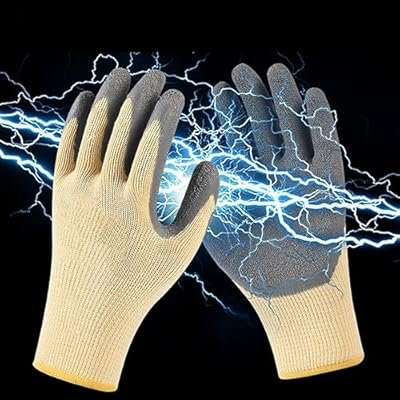
Electrical work gloves are protective gloves specifically manufactured for workers handling electrical systems and equipment. These gloves are designed to provide insulation against electrical current while also protecting hands from cuts, abrasions, heat, and mechanical injuries.
Different types of electrical work gloves are available depending on the level of protection required. Some gloves are made from insulating rubber for high-voltage protection, while others combine leather, synthetic materials, or coated fabrics for general electrical and maintenance work.
Electrical work gloves are an important part of personal protective equipment (PPE) used in industries where electrical hazards are present.
Importance of Electrical Work Gloves
Electricity can be extremely dangerous, especially when workers are exposed to live circuits or damaged equipment. Even a small electrical accident can lead to serious injury or fatality. Electrical work gloves help reduce these risks by acting as a protective barrier between the worker and the electrical source.
These gloves also improve grip and control while handling electrical tools, wires, and components. Workers can perform tasks more safely and confidently while minimizing the chances of accidents.
In many workplaces, electrical safety regulations require workers to wear approved electrical gloves to meet occupational health and safety standards.
Features of High-Quality Electrical Work Gloves
Modern electrical work gloves are designed with advanced materials and safety technologies to provide maximum protection and comfort.
1. Electrical Insulation
The gloves are manufactured using insulating materials that resist electrical current and reduce shock risk.
2. Durable Construction
Strong materials and reinforced stitching improve resistance against cuts, punctures, and abrasions.
3. Comfortable Fit
Ergonomic designs ensure flexibility and reduce hand fatigue during long working hours.
4. Superior Grip
Textured palms and anti-slip coatings improve grip while handling tools and electrical equipment.
5. Heat Resistance
Some electrical gloves provide protection against heat and arc flash hazards.
6. Flexible Design
High-quality gloves allow precise hand movement and finger control for technical tasks.
7. Breathable Materials
Breathable linings improve comfort and reduce sweating during extended use.
Types of Electrical Work Gloves
Manufacturers produce different types of electrical work gloves for various applications and safety requirements.
Rubber Insulating Gloves
These gloves provide protection against electric shock and are used for live electrical work.
Leather Protector Gloves
Leather protectors are worn over insulating gloves to protect against cuts and physical damage.
Cut-Resistant Electrical Gloves
These gloves combine electrical protection with cut resistance for industrial environments.
Arc Flash Gloves
Arc flash gloves are designed to protect workers from high-temperature electrical explosions.
Coated Electrical Gloves
Latex, nitrile, or polyurethane coatings improve grip and abrasion resistance.
Thermal Electrical Gloves
Insulated gloves provide warmth for outdoor electrical work during cold weather conditions.
Voltage Classes of Electrical Gloves
Electrical insulating gloves are classified according to the voltage protection they provide.
Class 00
Protection up to 500 volts AC.
Class 0
Protection up to 1,000 volts AC.
Class 1
Protection up to 7,500 volts AC.
Class 2
Protection up to 17,000 volts AC.
Class 3
Protection up to 26,500 volts AC.
Class 4
Protection up to 36,000 volts AC.
Choosing the correct voltage class is extremely important for worker safety.
Benefits of Using Electrical Work Gloves
Electrical work gloves provide several important advantages for workers and industries.
See also: Why Payroll Services Are Essential for Modern Business Operations
Protection from Electrical Hazards
The gloves help prevent electric shock, burns, and electrical injuries.
Improved Worker Safety
Using proper gloves reduces workplace accidents and improves safety compliance.
Better Grip and Control
Textured surfaces improve handling of tools, cables, and equipment.
Increased Productivity
Comfortable gloves allow workers to complete tasks efficiently and confidently.
Long-Term Durability
High-quality gloves are designed to withstand tough industrial conditions.
Compliance with Safety Standards
Certified gloves help companies meet workplace safety regulations.
Applications of Electrical Work Gloves
Electrical work gloves are widely used in multiple industries and professional environments.
Electrical Maintenance
Technicians use gloves during installation, repair, and maintenance of electrical systems.
Power Distribution Industry
Utility workers handling power lines and transformers require insulating gloves.
Construction Industry
Electricians working on construction sites rely on electrical gloves for safety.
Manufacturing Facilities
Industrial workers use gloves while maintaining electrical machinery and equipment.
Telecommunications
Workers handling communication systems and electrical connections require hand protection.
Renewable Energy Sector
Solar panel and wind turbine technicians use electrical work gloves during maintenance operations.
Materials Used in Electrical Work Gloves
The effectiveness of electrical gloves depends heavily on the materials used during manufacturing.
Natural Rubber
Provides excellent electrical insulation and flexibility.
Synthetic Rubber
Improves chemical resistance and durability.
Leather
Offers abrasion resistance and mechanical protection.
Nitrile Coatings
Enhance grip and resistance to oils and chemicals.
Kevlar Fibers
Provide cut resistance and heat protection.
Cotton Linings
Improve comfort and absorb sweat during long working hours.
How to Choose the Best Electrical Work Gloves
Selecting the right electrical gloves is important for safety and performance.
Identify Voltage Requirements
Choose gloves according to the voltage level of the work environment.
Check Safety Certifications
Ensure gloves meet recognized electrical safety standards.
Consider Comfort and Fit
Properly fitted gloves improve flexibility and reduce fatigue.
Evaluate Durability
Choose gloves with strong materials for industrial applications.
Look for Grip Features
Good grip improves control and reduces accidents.
Inspect Heat and Cut Resistance
Additional protection may be required in high-risk environments.
Maintenance Tips for Electrical Work Gloves
Proper care and maintenance are essential for maintaining glove performance and safety.
Inspect Before Use
Check gloves for holes, cracks, cuts, or other damage.
Clean Regularly
Remove dirt, oils, and contaminants after use.
Store Correctly
Keep gloves in a cool, dry place away from sunlight and chemicals.
Test Insulating Gloves
Electrical insulating gloves should undergo regular testing according to safety standards.
Replace Damaged Gloves
Damaged gloves should never be used for electrical work.
Growing Demand for Electrical Work Gloves
The global focus on workplace safety and electrical hazard prevention has increased the demand for advanced electrical work gloves. Industries are investing in high-performance safety equipment to protect workers and improve operational efficiency.
Manufacturers continue to develop innovative glove technologies with better insulation, flexibility, grip enhancement, and comfort. Modern electrical gloves are lighter, stronger, and more durable than ever before, making them suitable for a wide range of industrial applications.
Conclusion
Electrical work gloves are an essential part of workplace safety for anyone working with electrical systems and equipment. Their ability to protect against electric shock, burns, cuts, and other hazards makes them extremely important across many industries.
Whether used in construction, power distribution, manufacturing, telecommunications, or maintenance work, electrical work gloves provide reliable hand protection, comfort, and improved productivity. Investing in high-quality electrical gloves helps ensure worker safety, regulatory compliance, and long-term performance in demanding electrical environments.